Through the Lens: A Companion to the Art, History, and Technology of Photography
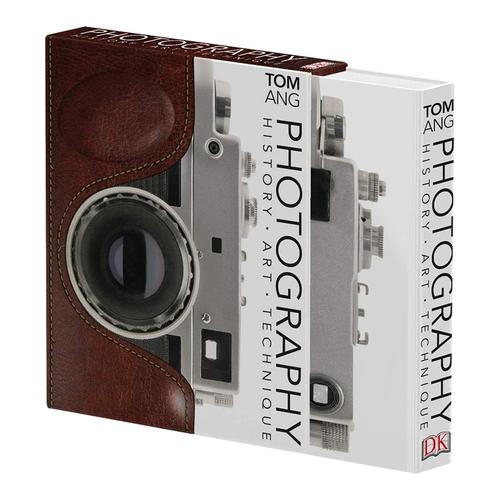
Photography is more than pointing a camera and pressing a button. It is a language of light, a marriage of art and science, and a visual diary of human experience. Whether you are holding your first DSLR, editing on a smartphone, or simply admiring a classic print, understanding the many layers of photography deepens both your practice and your pleasure. This companion draws inspiration from the DK visual encyclopedia tradition—rich with clarity and breadth—to guide you through the essential territories: art, history, culture, technique, gear, and software.
The Art of Seeing
At its heart, photography is about Seeing. Not just looking, but perceiving light, shadow, texture, and moment. Composition is your grammar: the rule of thirds, leading lines, framing, and negative space. But rules exist to be understood and then bent. Study the work of masters like Henri Cartier-Bresson, whose “decisive moment” taught us that timing is an artistic act, or Ansel Adams, whose zone system turned landscape into poetry. Light is your raw material. Learn to read it—golden hour, overcast diffusion, harsh midday sun, or intimate window light. Your camera is a tool, but your eye is the true instrument.
A Brief History of Photography
From the camera obscura to the first permanent image by Nicéphore Niépce in 1826, photography has evolved at breathtaking speed. The daguerreotype gave way to paper negatives, then to roll film and the Kodak Brownie that put cameras in everyday hands. The 35mm Leica and the rise of photojournalism brought the world’s stories home. Digital sensors in the late 20th century and the smartphone camera in the 21st democratized image-making entirely. Each era carried its own aesthetic and cultural weight—from Victorian post-mortem portraits to the civil rights photojournalism of the 1960s, from the staged tableaux of Cindy Sherman to the Instagram feed as global gallery.
Culture and Photography
Photography is never neutral. It frames power, identity, and memory. Colonial expeditions used cameras to classify and control. Family albums create intimate mythologies. Social media transforms daily life into performance. Understanding visual culture means asking: Who is behind the camera? Who is in front? Who is missing? Censorship, ethics in war photography, consent in street portraiture, and the economics of stock images—all are part of the cultural conversation. As a photographer, you participate in this conversation, whether you intend to or not.
Mastering Your Camera and Gear
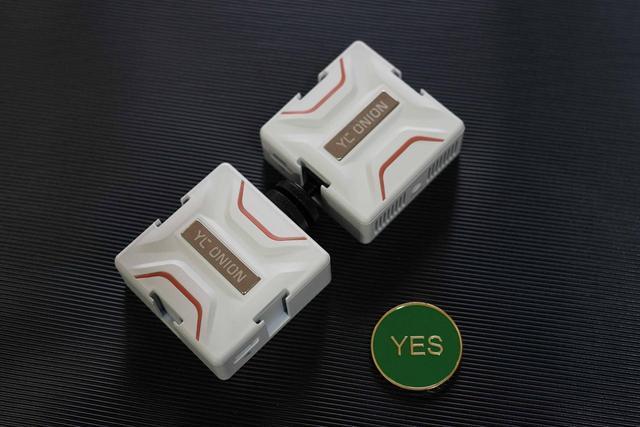
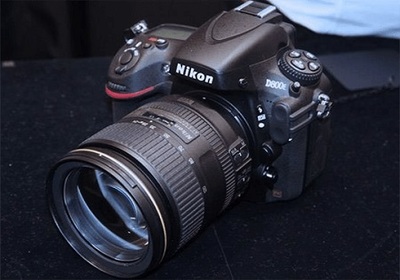
Your camera is a light-tight box with a lens and a sensor. But the options are vast. Sensor size—full-frame, APS-C, Micro Four Thirds—affects depth of field and low-light performance. Lens aperture (the f-stop) controls exposure and blur. Shutter speed freezes motion or records it as a silky trail. ISO adjusts sensitivity but introduces noise. Beyond bodies and lenses, a sturdy tripod, a polarizing filter, and a diffuser open creative doors. Learn the exposure triangle (aperture, shutter speed, ISO), understand autofocus modes (single, continuous, eye-tracking), and practice manual mode until it becomes instinct.
Software and Post-Processing
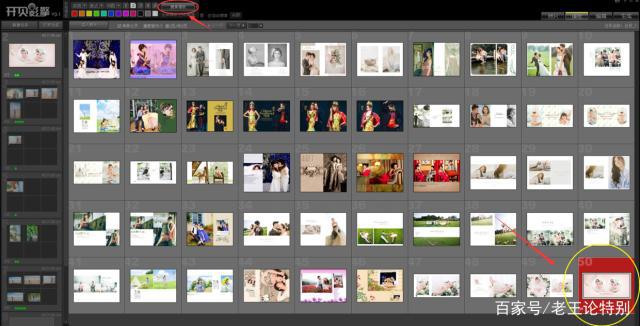
The darkroom has migrated to the screen. Adobe Lightroom, Capture One, and open-source RawTherapee let you command color, contrast, healing, and grain. Photoshop and Affinity Photo bring layers, masks, and compositing. For mobile, Snapseed keeps it simple, while VSCO nurtures film-like presets. The art of non-destructive editing means working in layered TIFFs or database-backed catalogs. Don’t just ‘fix’ images—develop a workflow: import, cull, adjust globally, refine locally, export for specific media such as print or Instagram. AI tools can denoise, upscale, or remove objects, but informed manual control remains the gold standard.
Putting It All Together
Photography is an endless classroom. Study composition from painters, history from documentaries, culture from frontline journalism. Buy one lens instead of many and learn it deeply. Review your old shots monthly like a curator. Experiment with software, but don’t hide a careless frame behind a filter. And most importantly, take your camera everywhere—because photography is not about a perfect shot. It is about the practice of care, attention, and responsiveness to the world. As a DK visual companion reminds us, “Sometimes you’re only looking when a story becomes a photograph.” Learn from the lines of others, then trace your own.
最新产品